
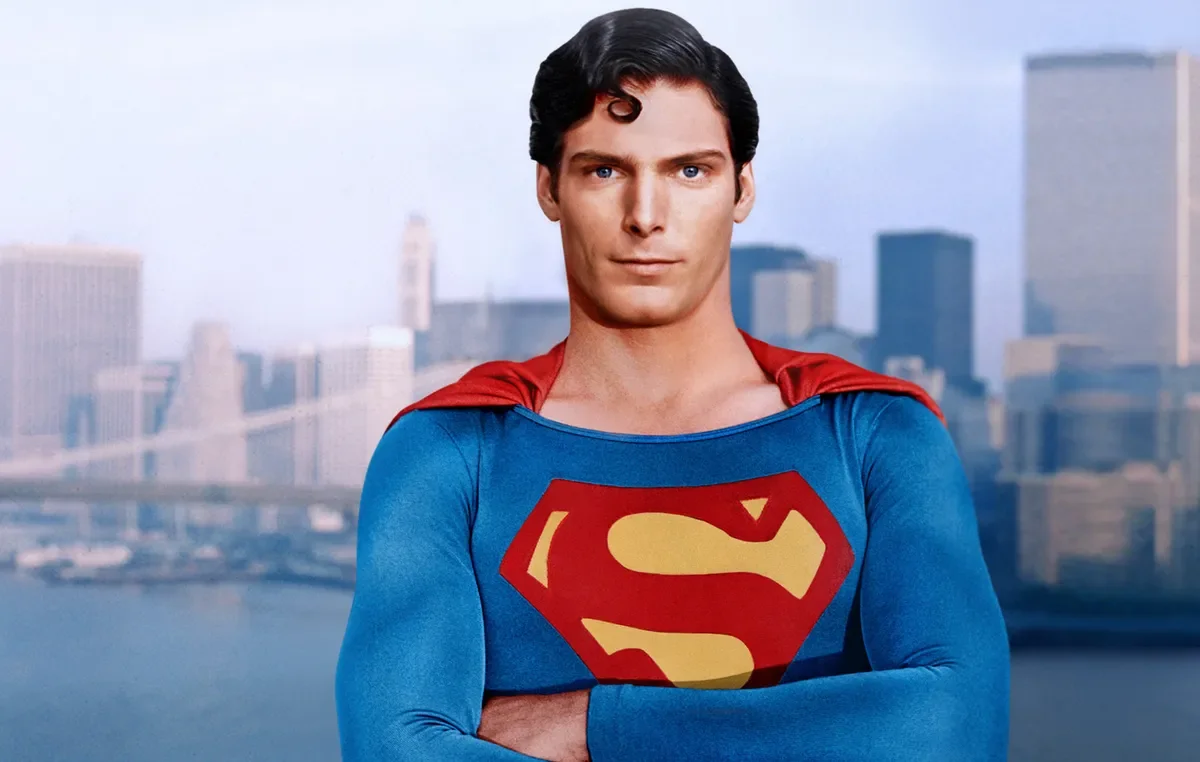
Top 10 Characteristics for a Winning Superhero Film
1. A Relatable, Flawed Hero with Depth, Humanity, and a Meaningful Arc
Heroes feel like real people with vulnerabilities, moral dilemmas, and growth. Christopher Reeve’s earnest, idealistic Superman balances godlike power with quiet humanity; Tobey Maguire’s Peter Parker juggles responsibility in Spider-Man 2; Hugh Jackman’s weary Logan confronts mortality and legacy.
2. A Compelling, Thematically Rich Villain (or Antagonist Force)
Strong foes challenge the hero’s ideals or mirror flaws, adding intellectual and emotional weight. Heath Ledger’s Joker (The Dark Knight), Killmonger (Black Panther), or even Zod in Superman (1980/1978 context) create meaningful conflict beyond mere destruction.
3. Strong Emotional Core and Universal Themes
Films explore identity, power and responsibility, sacrifice, justice, belonging, or legacy with genuine heart. Superman evokes wonder and moral clarity; Logan tackles aging and fatherhood; Into the Spider-Verse captures multiverse identity and mentorship.
4. Distinct Directorial Vision and Stylistic Cohesion
A clear artistic voice prevents generic storytelling. Richard Donner’s optimistic, mythic tone in Superman (1978); Nolan’s gritty realism; the Coen Bros.-esque irreverence in Guardians; or the groundbreaking animation in Spider-Verse.
5. Exceptional Casting and Charismatic Performances
Actors who fully embody the roles and elevate the material. Reeve as Superman/Clark Kent, Michael Keaton’s brooding Batman (1989), Robert Downey Jr. as Tony Stark, Chadwick Boseman’s regal T’Challa, or the vocal ensemble in Spider-Verse.
6. Innovative or Effective Action and Visual Spectacle That Serves the Story
Action feels purposeful and visually memorable, not empty. Superman’s flying sequences inspired awe; The Dark Knight’s IMAX practical action; Spider-Verse’s dynamic, comic-inspired style; well-choreographed fights in Logan or Iron Man.
7. Balanced Tone with Heart, Humor, or Levity
Successful films mix drama with warmth or wit to stay engaging. Superman (1978) blends earnest heroism with charm; MCU entries like Iron Man and Guardians use humor effectively; even darker films like The Dark Knight have sharp dialogue.
8. Respect for Source Material with Creative Adaptation
They honor comic (or conceptual) roots while innovating for cinema. Superman (1978) treated the myth with sincerity and scale; X-Men (2000) grounded mutants in real-world allegory; Into the Spider-Verse expanded the mythology boldly.
9. Cultural or Timely Resonance
Many tap into societal themes or fill a cultural need. Black Panther for representation and African diaspora; Superman(1978) as hopeful post-Vietnam/Watergate escapism; The Dark Knight reflecting post-9/11 terrorism and chaos; Logan on aging in a youth-obsessed world.
10. High Production Values, Strong Craft, and Execution
Polished writing, editing, score, and overall filmmaking elevate the project. Memorable scores (John Williams for Superman), thoughtful scripts, and confident production create lasting impact, whether on a focused budget (Logan) or epic scale (Endgame, The Avengers).